Subsurface flow & transport
Modelling fluid migration, pressure response, heat transfer, and solute transport in porous and fractured media for CO₂ storage, groundwater, and other subsurface systems.
I’m Li Li, a subsurface modelling and simulation specialist working at the intersection of geoscience, engineering, and data science. I combine physics-based simulation with data analysis, optimization, and visualization to understand subsurface systems and address practical engineering challenges.
Connecting geological understanding, numerical methods, data analysis, and practical engineering questions.
Modelling fluid migration, pressure response, heat transfer, and solute transport in porous and fractured media for CO₂ storage, groundwater, and other subsurface systems.
Numerical analysis of rock deformation, stress response, and coupled flow–mechanical behaviour in subsurface systems, including natural gas storage and compressed air energy storage.
Computational fluid dynamics (CFD) modelling of salt dissolution, density-driven flow, and moving boundaries to investigate the evolving geometry of solution-mined caverns.
Computational tools for scientific data analysis, curve fitting, workflow automation, visualization, and optimization of engineering design options.
A selection of modelling and research themes. Expand a project to explore its methods.
Combining full-scale three-dimensional multiphase flow simulations with an understanding of CO₂ storage mechanisms to investigate plume migration, pressure evolution, and storage performance.
Physics-based models examine CO₂–brine flow, buoyancy, dissolution, and structural, residual, and solubility trapping. Full-scale simulations support assessment of injection scenarios, plume behaviour, and pressure response. Reduced-dimensional models and multi-well optimization complement this work by exploring storage capacity, injection layouts, and dynamic storage efficiency under pressure and spacing constraints.
Investigating how dissolution, density-driven flow, and changing boundaries shape cavern development.
A moving-boundary modelling approach examines evolving salt surfaces and flow patterns, including the processes that contribute to irregular cavern shapes.
Building workflows from curved fracture geometry and network meshing to property mapping and flow visualization.
Workflow development connects geometry clipping, intersection-aware meshing, boundary identification, property mapping, and post-processing in ParaView.
Using flow and geomechanical models to investigate pressure response and rock behaviour in natural gas storage systems.
Large numerical models support comparisons across injection scenarios and interpretation of pressure behaviour at observation locations.
Software development grows from the practical needs of modelling, data preparation, and interpretation.
A solution-mining model that investigates salt cavern development through moving boundaries, dissolution, and density-driven flow.
Explore how evolving salt surfaces and internal flow patterns contribute to irregular cavern geometry.
A CO₂ storage capacity and injection design tool that uses reduced-dimensional pressure modelling to refine capacity estimates.
Explore the distribution of storage capacity within an area of interest, assess pressure constraints and dynamic storage efficiency, and track well-placement optimization through real-time plots.
A geoscientific pre- and post-processing platform in development, with a common data model for mesh topology, properties, persistence, and model exchange.
A desktop toolkit for curve fitting, data capture, colour-map extraction, table digitization, and unit conversion.
Selected papers on subsurface energy storage, cavern development, and coupled numerical modelling.
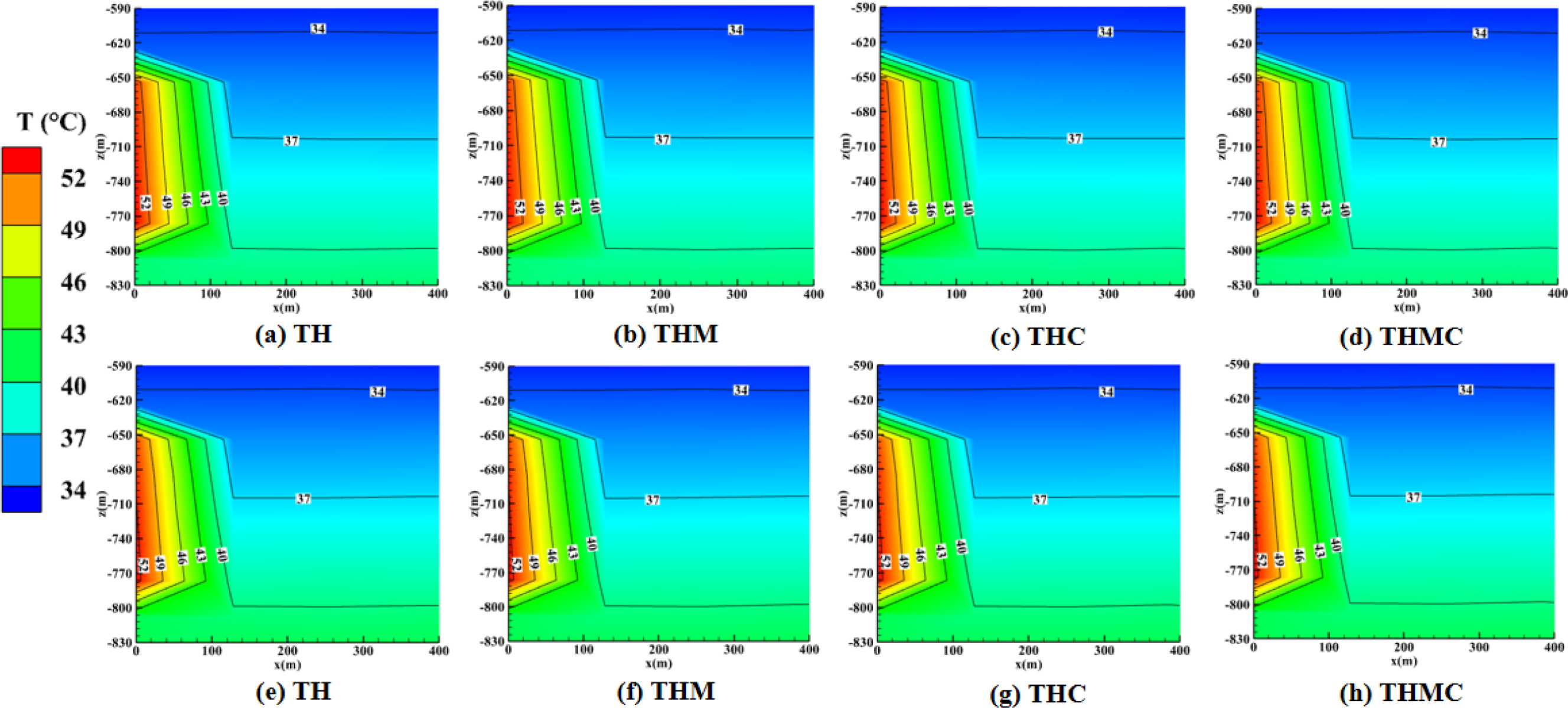
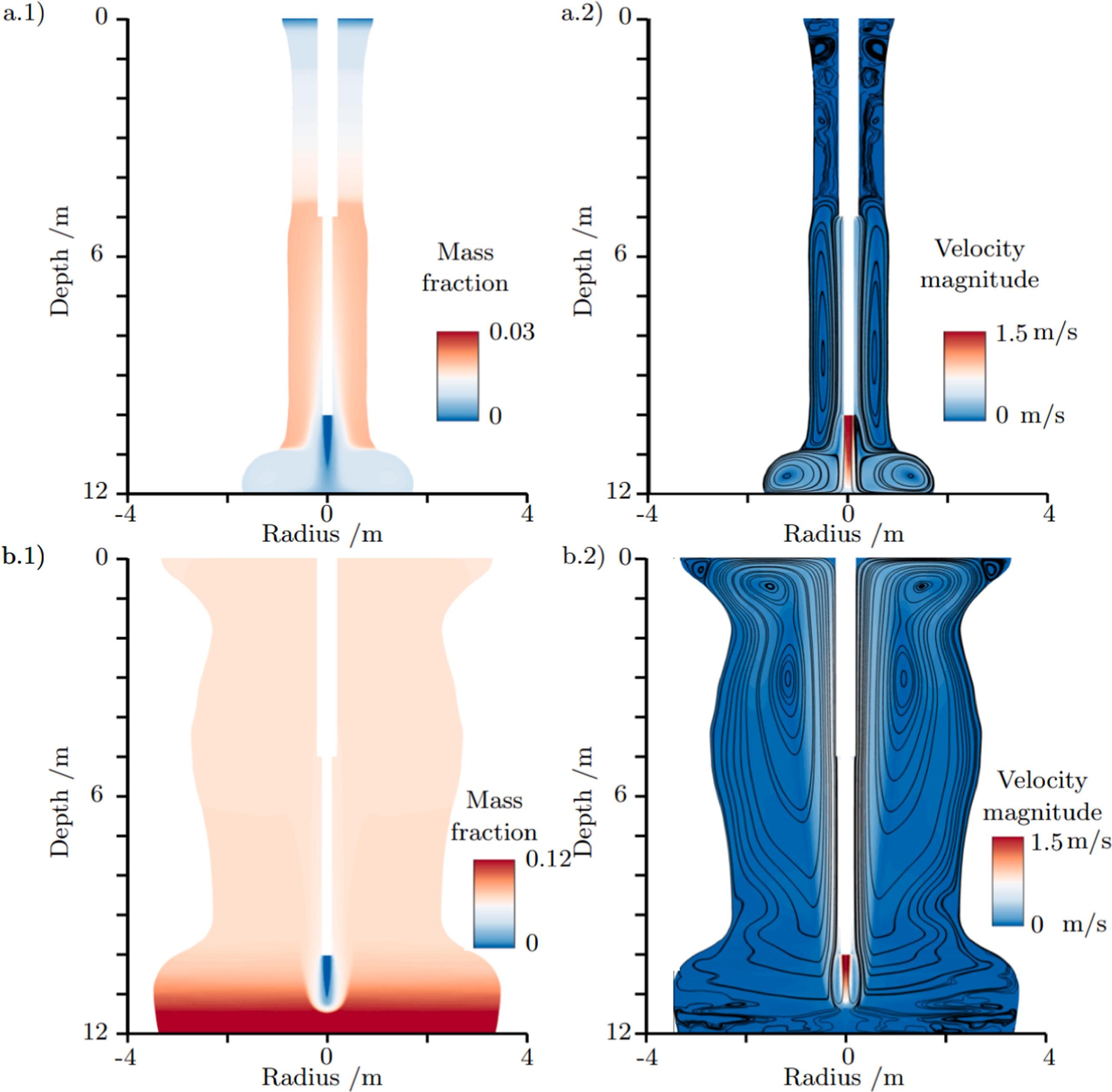
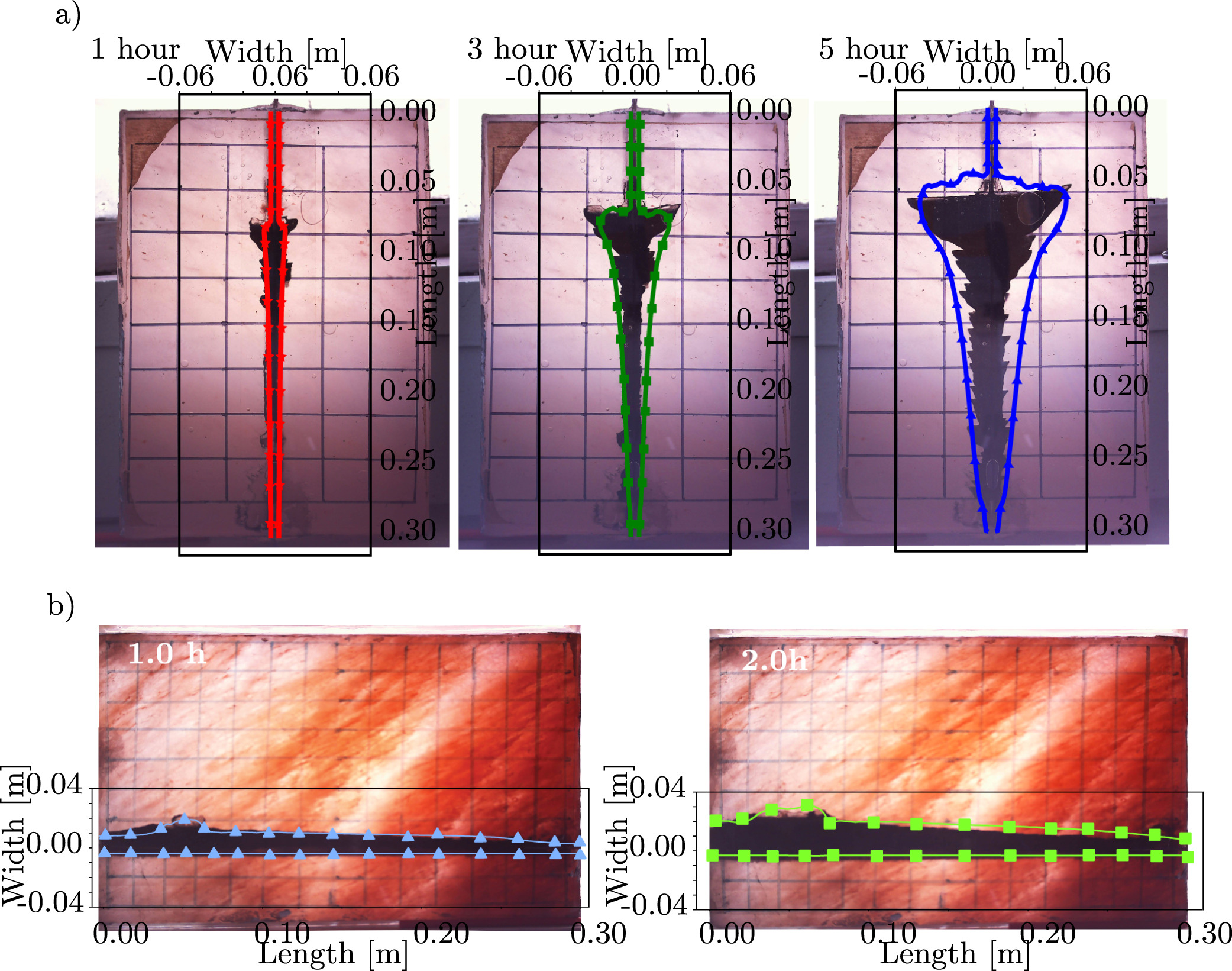
Journal impact factors shown are those displayed on the linked publisher pages, checked 30 September 2026; they are journal metrics, not article citation counts or publication-year metrics.
All publications on Google ScholarMy work connects computational methods with applied questions in subsurface storage and rock engineering.
I’m based in Ottawa, Canada, and work as a numerical and computational geomechanical modeller at Geofirma Engineering Ltd.
My work brings together subsurface physics, numerical simulation, data science, and software development. I develop computational workflows to process scientific datasets, fit models, explore patterns, and visualize results, with optimization methods that help evaluate engineering design options. I’m particularly interested in making complex modelling and data workflows easier to use, inspect, and build upon.
University of Waterloo
Geoscience · Engineering · Data science · Research software
CO₂ storage, salt caverns, fractured rock, and the computational tools that help us understand them.